5 Reasons Strength Training Is Essential for Women Over 30
Why picking up weights could be the single best thing you do for your health, confidence, and long-term wellbeing — especially as you get older.
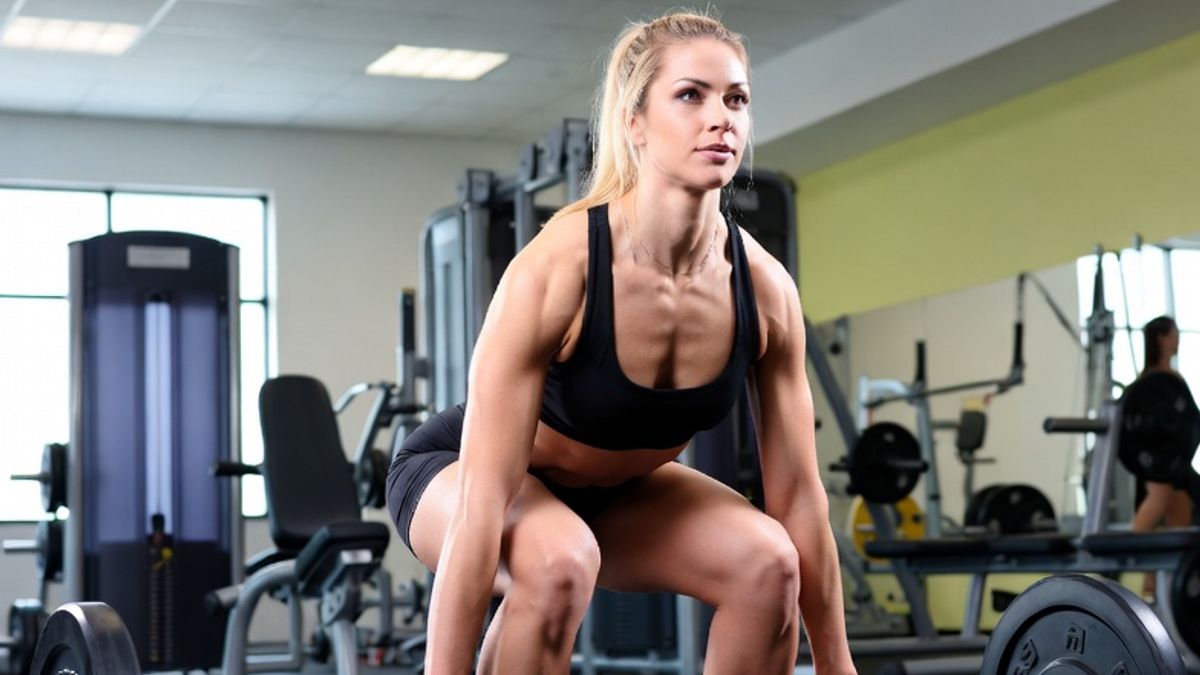
If you’re a woman over 30 and you’re not strength training yet, I’d love to tell you why it might be the most valuable thing you could add to your life. Not because I want to sell you something — but because it genuinely changed mine, and I’ve watched it transform the lives of so many women I work with.
Strength training isn’t about getting bulky, spending hours in the gym, or turning into someone you’re not. It’s about building a body that supports you — now and for the decades ahead.
Here are five reasons why I believe every woman over 30 should be incorporating strength training into her week.
1. It protects your bones and joints
From your mid-30s, bone density starts to naturally decline. This accelerates significantly during and after menopause, when oestrogen levels drop. Strength training is one of the most effective ways to slow and even reverse bone density loss.
When you lift weights, your muscles pull on your bones, stimulating them to maintain — and sometimes increase — their density. This isn’t just a nice-to-have; it’s genuinely protective against osteoporosis and fractures later in life.
Your joints benefit too. Stronger muscles around your knees, hips and shoulders mean better support, less pain, and improved mobility. If you’ve ever thought “I’m too old for this” — the evidence says the opposite. You’re at exactly the right age to start.
2. It supports your metabolism
Here’s something that surprises a lot of women: muscle is metabolically active tissue. The more muscle you have, the more energy your body uses at rest. This becomes increasingly important after 30, as we naturally begin to lose muscle mass (a process called sarcopenia) unless we actively work to maintain it.
Strength training helps preserve and build lean muscle, which supports a healthy metabolism. This doesn’t mean you’ll suddenly burn calories like a furnace, but it does mean your body becomes more efficient at using the food you eat — which has a huge impact on body composition over time.
If you’ve noticed that the approaches that worked in your 20s no longer seem to make a difference, this is often a key reason why. Your body has changed, and your approach needs to change with it.
3. It’s a game-changer for menopause and perimenopause
I work with a lot of women who are navigating perimenopause and menopause, and I cannot overstate how much strength training helps.
The hormonal shifts during this time can affect everything — energy levels, mood, sleep, body composition, confidence. Strength training directly addresses many of these challenges:
- Better sleep quality — regular strength training has been shown to improve sleep patterns
- Mood regulation — exercise stimulates endorphins and helps regulate cortisol
- Body composition — helps counteract the tendency to gain visceral fat around the midsection
- Confidence — there’s something deeply empowering about getting physically stronger at a time when your body feels like it’s changing without your permission
If you’re in perimenopause or menopause and feeling frustrated with your body, strength training combined with appropriate nutrition could genuinely be the most helpful thing you try.
4. It builds real, lasting confidence
I’ve seen this happen with almost every client I work with. There’s a shift that happens when you start lifting weights and seeing what your body can actually do.
It’s not just about how you look — although many women do notice positive changes in their shape and posture. It’s about how you feel. When you deadlift a weight you couldn’t budge three months ago, or hold a plank that used to have you shaking at ten seconds, something clicks.
You start to trust your body. You feel capable. That confidence doesn’t stay in the gym — it follows you into work, into relationships, into how you carry yourself every day.
This is why I focus on strength and performance goals rather than just weight loss. The aesthetic changes often come naturally, but the confidence shift is where the real magic happens.
5. It’s sustainable and time-efficient
One of the biggest myths about strength training is that it requires hours in the gym. It doesn’t. Two to three well-designed sessions per week, lasting 45 minutes to an hour, can deliver remarkable results.
Unlike extreme cardio regimes or crash diets, strength training is something you can maintain for life. It’s progressive — you gradually increase the challenge as you get stronger — and it adapts to wherever you are. Having a low-energy week? We scale it back. Feeling strong? We push a little harder.
This sustainability is key. I’ve lost count of the women who tell me they’ve tried everything — HIIT classes, running, calorie restriction, meal replacement shakes — and nothing stuck. Strength training sticks because it works with your body rather than against it, and because the results compound over time.
Where to start
If this has sparked something and you’re curious about getting started, here are my suggestions:
- Start with guidance. A good personal trainer will teach you proper form and design a programme suited to your level. This matters more than which exercises you do.
- Don’t worry about equipment. You can start with bodyweight exercises, resistance bands, or a simple set of dumbbells at home.
- Be patient. The best results come from consistency over weeks and months — not from one heroic session.
- Pair it with nutrition. What you eat has a massive impact on how you recover, how you feel, and how your body adapts. Even small changes to your nutrition can amplify your training results.
If you’re based in Bournemouth, Poole, or Ringwood, I’d love to help you get started. And if you’re further afield, my online coaching programmes are available UK-wide.
Book a free consultation and let’s have a chat about where you are and where you want to be. No pressure — just an honest conversation about how strength training could work for you.